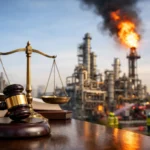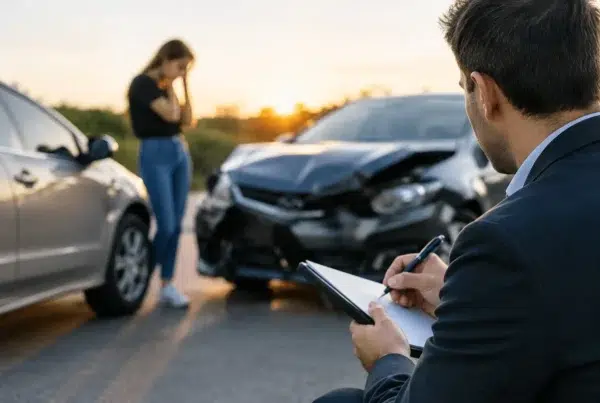

A crash on I-45, a fall in a grocery store aisle, a refinery explosion, a defective product that causes lasting harm – these are all personal injury claims examples, but they are not all handled the same way. The details matter. Who caused the harm, how the injury happened, how serious the damage is, and what evidence exists can change the value and direction of a case.
If you were hurt because someone else acted carelessly, the law may give you the right to pursue compensation. That compensation is not automatic, and insurance companies do not hand it over because an injury seems obvious. A claim has to be built, documented, and pushed with facts.
What personal injury claims examples really show
Most people hear the term personal injury and think of car wrecks. Those cases are common, but personal injury law is broader than that. At its core, a personal injury claim is a civil case based on harm caused by negligence, recklessness, or another wrongful act.
Good personal injury claims examples do more than name an accident type. They show the legal issue behind it. A rear-end collision may involve distracted driving. A workplace explosion may involve unsafe equipment, contractor negligence, or defective machinery. A dangerous drug case may turn on whether a manufacturer failed to warn patients about known risks.
That is why two people can suffer similar injuries and still have very different claims. One may have a straightforward insurance case. The other may require litigation against several defendants.
Common personal injury claims examples in Texas
Car accident claims
A driver runs a red light, causes a T-bone collision, and leaves another motorist with a broken hip, missed work, and months of physical therapy. This is one of the clearest personal injury claims examples because fault often centers on traffic laws, witness statements, crash reports, medical records, and vehicle damage.
Texas car accident claims can also involve uninsured or underinsured drivers. In those cases, the injured person may need to pursue benefits through their own policy while still proving the extent of their injuries and losses.
Truck accident claims
A fully loaded commercial truck jackknifes on a Houston freeway and crushes a smaller vehicle. These claims are usually more complex than ordinary car wreck cases. There may be issues involving driver fatigue, overloaded cargo, poor maintenance, or violations of federal trucking rules.
The injuries are often severe. So is the resistance from trucking companies and their insurers. Early investigation matters because critical evidence can disappear fast.
Workplace and industrial accident claims
Texas workers face serious risks in refineries, chemical plants, warehouses, and construction sites. If a worker suffers burns in an explosion, loses a limb in machinery, or falls because of unsafe conditions, the legal path depends on the employer, the worksite structure, and who caused the incident.
Some cases go through workers’ compensation. Others may involve third-party claims against contractors, equipment manufacturers, or property owners. This is where many injured workers get bad advice – they assume they only have one option when the facts may support more than one claim.
Slip and fall claims
A customer slips on an unmarked spill in a store and suffers a head injury. A tenant falls on broken stairs at an apartment complex. These premises liability cases can be valid, but they are not as simple as saying, “I fell, so someone owes me.”
The injured person usually has to show the property owner knew or should have known about the dangerous condition and failed to fix it or provide warning. Timing, surveillance footage, incident reports, and photographs can make or break the case.
Defective product claims
A power tool malfunctions and causes hand injuries. A vehicle part fails and leads to a crash. A household product catches fire because of a design flaw. In these cases, the problem is not just carelessness in the moment. It may be a deeper defect in design, manufacturing, or warnings.
Product cases often require technical analysis and aggressive investigation. They can also involve large corporate defendants with substantial legal resources.
Dangerous drug and pharmaceutical claims
A patient takes a prescription medication as directed, then develops a severe medical complication linked to undisclosed risks. These claims may involve failure to warn, misleading marketing, or defective formulation.
They are rarely quick cases. Medical evidence is central, and the defense often argues that the injury was caused by an underlying condition instead of the drug. A strong case depends on medical records, expert review, and careful timeline development.
Drunk driving accident claims
A drunk driver crosses the center line and causes a fatal crash. These claims often involve clear wrongdoing, but that does not mean recovery is easy. The injured person or surviving family still has to prove damages. In some cases, there may also be a claim against a bar or provider if Texas law allows it under the facts.
When alcohol is involved, punitive damages may become part of the conversation. That depends on the evidence and how the case is pursued.
Wrongful death claims
When negligence causes a death, surviving family members may have the right to bring a wrongful death claim. A fatal trucking collision, plant explosion, defective drug event, or unsafe property condition can all lead to this kind of case.
These are high-stakes claims with emotional and financial consequences. Damages may include lost financial support, loss of companionship, funeral expenses, and other losses recognized by Texas law.
What damages may be available
Personal injury claims are about more than the first hospital bill. In serious cases, the biggest losses show up later.
An injured person may seek compensation for medical expenses, lost income, reduced earning capacity, pain and suffering, physical impairment, disfigurement, and future treatment needs. In wrongful death matters, family members may have separate categories of recoverable damages. In some extreme cases, exemplary damages may also be available.
This is where insurance companies often try to narrow the case. They may focus on the emergency room visit and ignore the surgery that came later, the time off work, the permanent limitations, or the psychological toll. A claim should reflect the full impact of the injury, not just the first wave of costs.
Why some valid claims still face problems
A claim can be real and still be disputed. That surprises a lot of injured people.
Insurance carriers may argue you were partly at fault, your injuries were preexisting, your treatment was excessive, or your pain is not as serious as you say. In Texas, fault allocation matters. If the defense can shift enough blame onto the injured person, it can reduce or even block recovery.
Delay also creates problems. Waiting too long can lead to lost evidence, missing witnesses, inconsistent medical records, and stronger arguments from the other side. The statute of limitations is another issue. If a deadline passes, the claim may be gone.
How to tell whether your situation may qualify
Not every bad outcome creates a personal injury case. The key question is whether another party’s conduct caused legally recognized harm.
A useful starting point is this: Was there a duty to act reasonably, was that duty breached, did the breach cause the injury, and did the injury lead to actual damages? If the answer may be yes, the case deserves a closer look.
That said, real life is not a checklist. Some strong claims start with uncertainty. Maybe fault is disputed. Maybe several companies were involved. Maybe the injury looked minor at first and worsened over time. Those are exactly the situations where early legal review matters.
Personal injury claims examples are only the starting point
Reading examples can help you recognize a potential claim, but examples do not put money in your pocket or protect your rights. Your case turns on evidence, timing, medical proof, and whether the other side believes you are prepared to take the matter seriously.
That is especially true in major Texas injury cases involving commercial vehicles, industrial worksites, dangerous products, or wrongful death. These claims demand more than paperwork. They require strategy, pressure, and a willingness to fight for the full value of the harm.
At The Buchanan Law Office, P.C., we understand that injured people are not looking for legal theory. They want answers, protection, and a path forward. If your injury happened because someone else failed to act responsibly, the smartest next move is to get your case evaluated before the evidence gets colder and the insurance company gets further ahead.
The right case often starts with one simple fact – you should not be left carrying the cost of someone else’s negligence.