
A serious accident can leave you in pain, out of work, and facing bills that arrive before you have answers. The best evidence for an injury lawsuit is often created or lost in the first days after a crash, workplace incident, refinery fire, or other traumatic event. Insurance companies begin protecting their financial interests immediately. You should protect your claim with the same urgency.
Evidence does more than show that an accident happened. It helps establish who was responsible, the extent of your injuries, how the event changed your life, and what compensation may be justified. A strong case is built on facts, not assumptions, and the right evidence can make the difference when an insurer tries to minimize or deny a valid claim.
Best Evidence for an Injury Lawsuit: What Matters Most
Every injury case is different, but the strongest claims usually connect four points: another party had a duty to act safely, that party failed to meet that duty, the failure caused the accident, and the accident caused measurable harm. Evidence must support each part.
Medical records tie the injury to the accident
Medical evidence is central to nearly every personal injury claim. Seek medical care promptly after an accident, even if you believe the pain will pass. Some injuries, including traumatic brain injuries, internal injuries, soft-tissue damage, and spinal injuries, may not reveal their full impact right away.
Your emergency room records, doctor’s notes, diagnostic images, prescriptions, physical therapy records, and specialist evaluations can document the nature of your condition. They also create a timeline connecting the injury to the incident. Delaying treatment gives an insurance company an opening to argue that you were not seriously hurt or that something else caused your condition.
Follow your treatment plan as closely as possible. If you miss appointments or stop treatment, there may be a legitimate reason, such as cost, transportation problems, or side effects. Still, communicate those reasons to your providers and attorney. Gaps in treatment are commonly used against injured people.
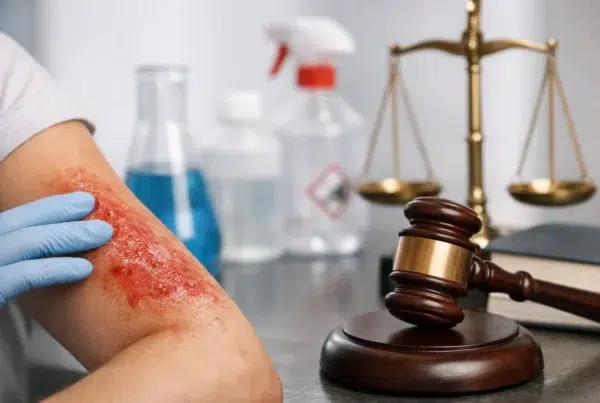
Photos and video preserve what changes quickly
Accident scenes do not stay the same. Vehicles are repaired or destroyed. Spills are cleaned. Equipment is moved. Burn damage is repaired. Security camera footage may be recorded over within days.
If you can do so safely, photograph the scene, involved vehicles, visible injuries, damaged clothing, skid marks, weather conditions, warning signs, equipment, and anything else that may explain what happened. Take wide shots to show the overall setting and close shots to capture critical details. Do not alter the images or add filters.
Video can be especially valuable in Houston-area traffic collisions, commercial truck wrecks, industrial incidents, and premises liability cases. Nearby businesses, homes, traffic cameras, and work sites may have footage. The key is acting fast enough to preserve it before it disappears.
Witness accounts can confirm the truth
Independent witnesses can be powerful because they do not have a financial stake in the outcome. Get names, phone numbers, email addresses, and a short description of what each person saw. A witness who saw a truck change lanes without signaling, a supervisor ignore a hazard, or a property owner fail to correct a dangerous condition may provide important support for your claim.
Do not assume the police report contains every witness. Officers may arrive after the accident, and some witnesses leave before they can be identified. If possible, collect contact information at the scene and provide it to your lawyer.
Official reports establish an early record
A police crash report, workplace incident report, fire department report, OSHA-related documentation, or emergency dispatch record can help establish the time, place, and initial circumstances of an accident. These records are not always final proof of fault. Reports can contain errors, incomplete information, or conclusions that need to be challenged.
Still, they often point investigators toward useful evidence. In a commercial trucking case, for example, the report may identify the carrier, driver, vehicle number, and potential witnesses. In an industrial accident, an internal report may identify equipment involved, supervisors present, and stated safety concerns.
Evidence That Proves Financial and Personal Losses
A lawsuit is not only about proving negligence. It is also about proving the full cost of what negligence took from you.
Keep copies of every bill, receipt, and statement related to the injury. This includes ambulance charges, hospital bills, prescriptions, medical devices, rehabilitation expenses, mileage to appointments, and costs for help at home. Save wage statements, tax records, work schedules, and correspondence showing missed work or reduced duties.
For serious injuries, future losses matter as much as current bills. A person with permanent limitations may need ongoing medical care, future surgery, vocational support, or assistance with daily activities. Medical experts, life-care planners, and economic professionals may be needed to explain those losses clearly.
Your own record also matters. A simple journal can document pain levels, sleep problems, missed family events, mobility limits, emotional distress, and the everyday tasks you can no longer do without help. Write honestly and consistently. This is not about exaggeration. It is about showing the human impact that medical invoices cannot fully capture.
Special Evidence in Trucking and Workplace Cases
Some of the most important evidence in high-stakes cases is controlled by the company that may be responsible. That is why early legal action can be critical.
In a trucking collision, useful evidence may include the driver’s electronic logs, vehicle inspection records, maintenance records, dispatch communications, onboard camera footage, cell phone data, drug and alcohol testing records, and the truck’s electronic control module data. A trucking company may have information showing fatigue, speeding, poor maintenance, overloaded cargo, or violations of federal safety rules.
In refinery, chemical plant, construction, and other workplace incidents, evidence may include safety manuals, training records, maintenance logs, work permits, inspection records, hazard analyses, contractor agreements, photographs of the site, and prior reports of similar incidents. The question is often not just what went wrong, but whether the danger was known and ignored.
Your employer or a third party may hold these records. Do not rely on a company to preserve evidence that could expose its own failures. An attorney can send preservation demands and take appropriate steps to seek evidence before it is lost, destroyed, or overwritten.
What You Should Do After an Accident
You do not need to investigate a case alone while you are recovering. But there are practical steps that can protect your position.
- Get medical care and follow through with recommended treatment.
- Report the incident through the proper channel, whether that means calling law enforcement or notifying a supervisor.
- Preserve photographs, damaged property, clothing, messages, and documents.
- Avoid posting details, photos, or opinions about the accident on social media.
- Do not give a recorded statement or sign broad medical releases for an insurer before getting legal guidance.
Be careful when speaking with insurance adjusters. They may sound sympathetic, but their job is to limit what the insurance company pays. A quick settlement offer may arrive before you understand your diagnosis, future care needs, or ability to return to work. Once you accept a settlement, you may give up the right to seek additional compensation later.
Texas Deadlines and Evidence Preservation
Texas law generally places deadlines on personal injury and wrongful death claims, and missing a deadline can bar recovery. The time limit can vary based on the facts, the parties involved, and the type of claim. Claims involving government entities, workers’ compensation, defective products, or a death can raise additional notice requirements and legal issues.
Waiting is risky for another reason: evidence fades. Witness memories become less reliable. Surveillance footage is deleted. Physical conditions change. Companies may follow routine document-destruction schedules. The sooner a case is reviewed, the more opportunity there is to identify what must be preserved.
A lawyer can evaluate the available facts, identify responsible parties, obtain records, and prepare a claim for negotiation or trial. At The Buchanan Law Office, P.C., injured Texans can seek a free consultation without paying upfront attorney’s fees for a personal injury case.
If you were hurt because another person, driver, employer, contractor, manufacturer, or property owner failed to act safely, do not let valuable proof disappear while you try to manage the aftermath alone. Put your energy into your medical recovery, keep what you can, and get experienced legal guidance early enough to protect your rights.