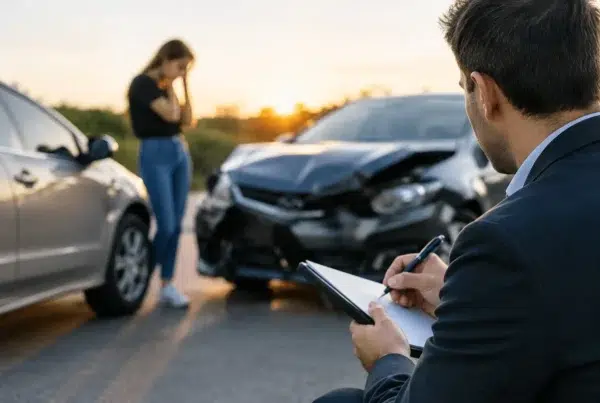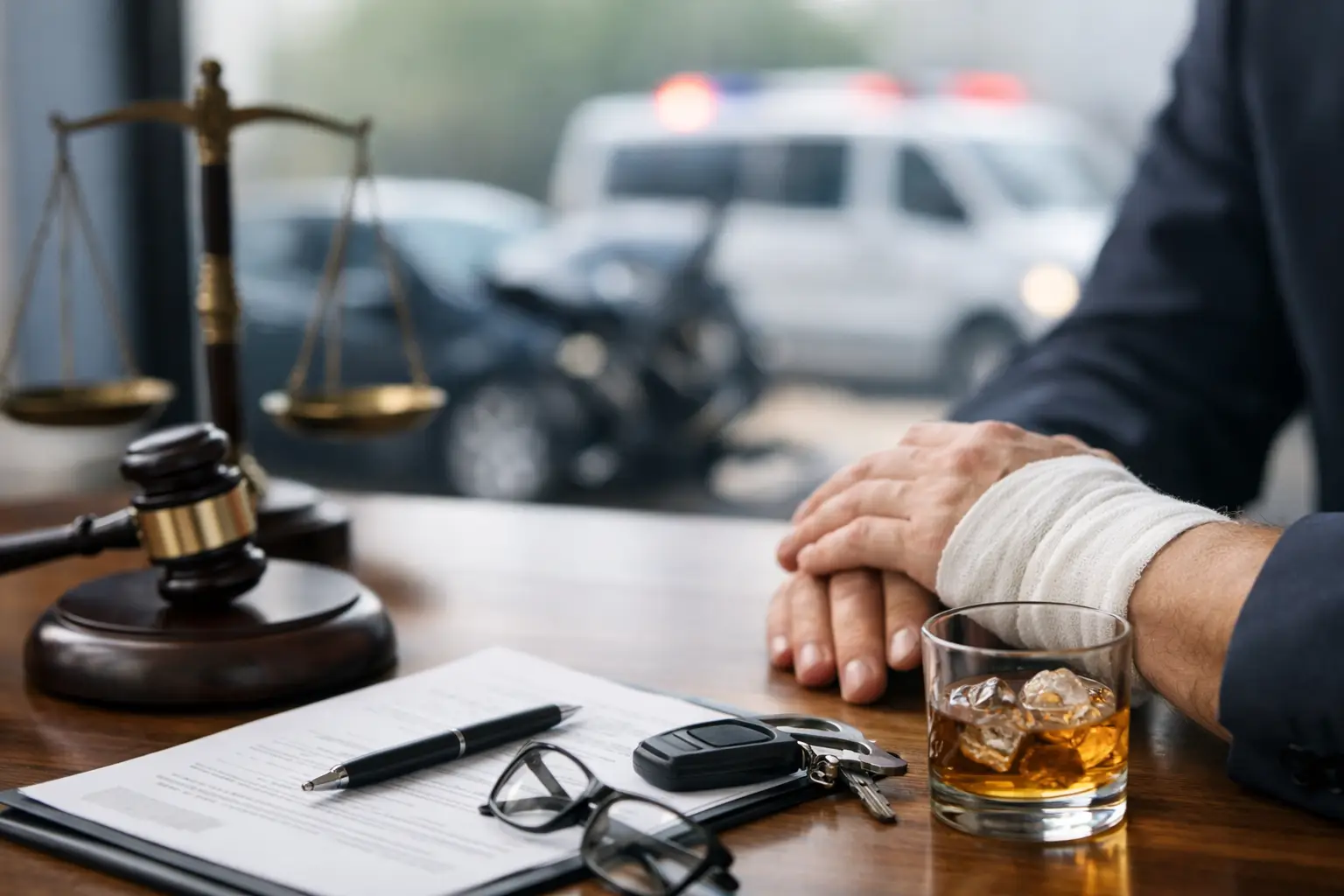

A drunk driver can turn an ordinary trip home into an emergency room visit, a missed paycheck, and a long recovery your family never expected. If another driver’s decision to drink and drive caused your injuries, a drunk driving injury lawsuit may allow you to hold the responsible parties accountable and pursue the financial recovery you need to move forward.
The driver may face criminal charges, but a criminal case does not pay your medical bills or replace the income you lose while you cannot work. A civil injury claim is separate. It focuses on the harm the crash caused you and the compensation Texas law may provide.
Your First Steps After a Drunk Driving Crash
Your health comes first. Follow through with emergency care, doctor visits, therapy, prescriptions, and specialist referrals. Gaps in treatment can give an insurance company an opening to argue that you were not seriously hurt or that your condition came from something other than the collision.
If you can do so safely, preserve information from the crash. Keep photographs of the vehicles, scene, injuries, and damaged property. Save medical bills, discharge instructions, receipts, missed-work records, and every communication from insurers. Do not repair or dispose of your vehicle until its damage has been documented.
The police report can be valuable, especially if officers observed signs of intoxication, administered field sobriety tests, or made an arrest. But do not assume the report alone proves every part of your case. A serious claim often requires a fuller investigation into the driver’s conduct, the collision, your injuries, and the sources of available insurance coverage.
You should also be careful about statements to the at-fault driver’s insurer. Adjusters may sound concerned, but their job is to limit what the company pays. A quick settlement offer often arrives before the full extent of an injury is known. Once you sign a release, you may give up the right to seek additional compensation if surgery, ongoing treatment, or lasting limitations become clear later.
A Criminal DWI Case Is Not Your Civil Claim
A driver can be arrested and prosecuted for driving while intoxicated in Texas. That case is brought by the government and may result in fines, probation, license consequences, or jail time. You are not in control of whether charges are filed, reduced, or resolved through a plea.
Your civil case has a different purpose. It seeks damages for the losses the drunk driver caused. Evidence from the criminal matter may support the civil claim, but you should not wait passively for the criminal process to finish. Evidence can disappear, witnesses can become harder to locate, and deadlines still apply.
Even if the driver is not convicted, an injured person may still have a civil claim. Civil cases use a different burden of proof than criminal prosecutions. The facts matter, and an experienced attorney can evaluate the evidence rather than relying on the outcome of the DWI charge alone.
Who May Be Responsible in a Drunk Driving Injury Lawsuit?
The intoxicated driver is the obvious defendant, but the driver may not be the only party with potential liability. Identifying every responsible party matters because severe injuries can quickly exceed one person’s insurance limits.
The Drunk Driver
A person who chooses to drive while impaired can be liable for the injuries and damage that result. In many cases, evidence of intoxication is powerful proof of negligence. The claim still requires a clear connection between the driver’s conduct and the crash, along with proof of your losses.
Bars, Restaurants, and Other Alcohol Providers
Texas has a dram shop law that can, in certain circumstances, hold a provider of alcohol responsible. Generally, the question is whether the establishment provided alcohol to an adult who was obviously intoxicated to the extent that the person presented a clear danger to themselves and others, and the intoxication caused the injury.
These cases are fact-intensive. Video footage, receipts, staff testimony, witness accounts, and the timing of alcohol service may be critical. A bar is not automatically liable merely because a driver drank there. But when evidence shows reckless service to an obviously intoxicated customer, the establishment may need to answer for its role.
Employers and Vehicle Owners
If the impaired driver was working, driving a company vehicle, or acting within the scope of employment, an employer may be relevant to the claim. Vehicle owners may also face liability in limited situations, depending on the facts. These questions require a prompt investigation, particularly after commercial vehicle or work-related crashes.
Compensation Should Reflect the Full Damage
A fair recovery is not limited to the first ambulance bill. A serious collision may cause injuries that affect a person’s work, independence, family life, and ability to do the activities they once took for granted.
Depending on the circumstances, damages in a Texas drunk driving injury case may include medical expenses, future medical care, lost income, reduced earning capacity, physical pain, mental anguish, physical impairment, disfigurement, and vehicle or property damage. When a driver’s conduct was especially reckless, exemplary damages may also be at issue. These damages are not automatic, but intoxicated driving can raise serious questions about punishment and deterrence.
The value of a claim depends on the evidence, the seriousness and duration of the injuries, available insurance, the parties involved, and whether the injury affects future employment or daily living. There is no responsible way to promise a specific result before the facts are investigated.
Texas Deadlines Can Be Unforgiving
Texas generally gives injured people two years from the date of an accident to file a personal injury lawsuit. Wrongful death claims are also generally subject to a two-year deadline. Certain situations can involve different rules, and waiting too long can destroy a valid claim.
Two years may sound like plenty of time, but strong cases are built before the deadline is close. Surveillance video may be recorded over. Witness memories fade. A vehicle may be repaired, sold, or destroyed. An attorney can send preservation requests, obtain records, investigate alcohol service, and identify insurance coverage while the evidence is still available.
If the crash caused the death of a loved one, surviving family members may have claims that deserve immediate attention. No legal action can undo that loss. It can, however, provide a way to pursue accountability and protect a family from carrying the financial consequences of another person’s reckless decision alone.
Do Not Let the Insurance Company Define Your Case
Insurance companies often focus on minimizing exposure. They may question treatment, argue that injuries were preexisting, shift blame to the injured person, or claim their policy limits are all that is available. That approach can be especially harmful after a drunk driving crash, where the legal and factual issues may extend beyond the driver’s personal policy.
A plaintiff-side attorney can take over communications, investigate all liable parties, calculate the real cost of the injury, and prepare the case for litigation if a fair settlement is not offered. At The Buchanan Law Office, P.C., injured Texans can seek guidance without upfront attorney fees because personal injury representation is handled on a contingency-fee basis.
Do not accept an insurer’s first version of what your injuries are worth. Get medical care, protect the evidence, and speak with a lawyer early enough to preserve your right to hold the people and businesses responsible accountable.