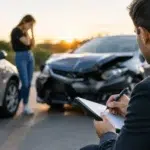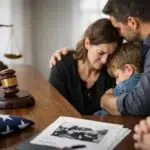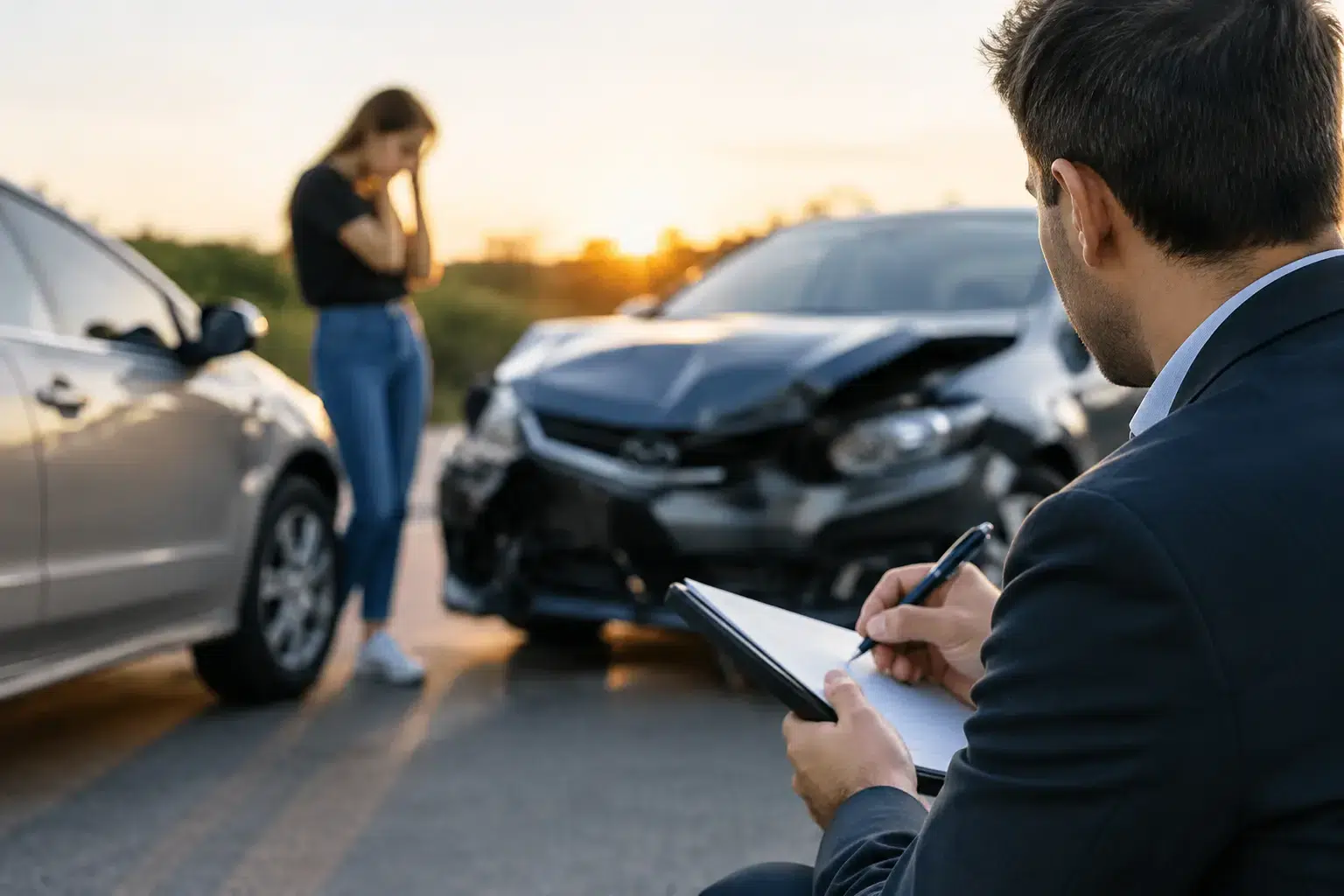

A drunk-driving crash can change a family’s finances as fast as it changes a life. Ambulance bills, surgery, missed work, vehicle damage, and long-term care can start piling up immediately. For injured Texans asking who pays after drunk driving, the answer is often more complicated than “the drunk driver.” The driver is usually responsible, but insurance coverage, alcohol providers, employers, and other negligent parties may also have a role.
The practical question is not just who caused the wreck. It is whether every responsible party has been identified and whether there is enough available insurance to cover the real harm done.
Who Pays After Drunk Driving in Texas?
The impaired driver is the starting point. A person who chooses to drive while intoxicated can be held civilly liable for the injuries and losses caused by that decision. A criminal DWI charge may support the evidence in a civil claim, but a victim does not have to wait for a criminal case to end before pursuing compensation.
Usually, the driver’s auto liability insurer is the first source of recovery. Texas drivers must carry minimum liability coverage, but minimum limits are often nowhere near enough after a serious crash. A traumatic brain injury, spinal injury, severe burns, multiple fractures, or the loss of a family member can create damages far beyond a minimum policy.
If the drunk driver’s insurance is insufficient, the driver may personally remain liable for the unpaid balance of a judgment or settlement. That does not always mean personal assets are readily available, which is why a thorough investigation matters early. A claim may involve more than one policy and more than one responsible party.
The drunk driver’s insurance and personal assets
The at-fault driver’s liability policy may pay for medical expenses, lost income, property damage, physical pain, impairment, and other losses recognized under Texas law. In a fatal crash, surviving family members may also have a wrongful death claim for losses such as lost financial support, lost companionship, and mental anguish.
Insurance companies do not simply issue fair checks because an alcohol-related crash occurred. They may question the severity of injuries, argue that treatment was unrelated, dispute wage losses, or push for an early settlement before the full medical picture is known. The insurer is protecting its financial interests. An injured person needs someone protecting theirs.
In some cases, a drunk driver’s conduct may support a request for exemplary damages, sometimes called punitive damages. These damages are intended to punish particularly reckless behavior and deter similar conduct. They are not available in every case, and insurance coverage for them can raise separate legal issues. Still, intoxication can be a critical fact when evaluating the full value of a claim.
When a Bar, Restaurant, or Store May Pay
Texas has a dram shop law that may allow an injured person to pursue a claim against a provider of alcohol. These cases can involve bars, restaurants, clubs, liquor stores, or other businesses licensed or permitted to sell or serve alcohol.
The central issue is not merely whether the drunk driver had a drink at the business. Under Texas law, an alcohol provider may be liable when it sold or served alcohol to an adult who was obviously intoxicated to the extent that the person presented a clear danger to themselves and others, and that intoxication caused the injury.
That standard requires evidence. Witness accounts, receipts, surveillance footage, employee statements, point-of-sale records, social media posts, and the driver’s blood alcohol evidence may all matter. Video can be erased and memories can fade quickly. Prompt action is often necessary to preserve the proof before it disappears.
A business may defend itself by arguing that the customer did not appear obviously intoxicated, that the driver drank elsewhere, or that its employees received proper training. These are fact-intensive disputes. A serious investigation should follow the drinking timeline, not just the crash scene.
Social hosts are treated differently
A private host who serves alcohol at a party is not automatically liable simply because a guest later drives drunk. Texas law treats social-host liability differently from commercial alcohol-provider claims.
There can be an important exception when an adult provides alcohol to a minor who is not their child. The facts matter greatly in these situations. Parents of an injured teenager, or families harmed by an underage drunk driver, should not assume a private party is beyond investigation.
Other Parties May Share Responsibility
The drunk driver may be the most obvious wrongdoer, but not always the only one. Texas law allows injured people to examine whether another person or business helped create the danger.
For example, an employer may be implicated if an employee caused a crash while performing job duties. This can arise with company vehicles, work travel, deliveries, or events where alcohol was involved. A company may also face separate claims if it negligently hired, supervised, retained, or entrusted a vehicle to an unsafe driver.
The owner of a vehicle may have responsibility in some circumstances. If an owner knowingly allowed an impaired, reckless, or unlicensed person to use their vehicle, a negligent entrustment claim may be possible. The key facts include what the owner knew or should have known before handing over the keys.
A defective vehicle or roadway condition can also worsen an alcohol-related crash. A drunk driver’s poor decision does not automatically erase another party’s negligence. If a defective tire failed, an airbag did not deploy properly, or a dangerous road design contributed to the severity of a collision, those facts deserve review.
Your Own Insurance May Help Fill the Gap
When the drunk driver has no insurance or too little insurance, uninsured and underinsured motorist coverage, commonly called UM/UIM coverage, can be essential. This coverage is part of your own auto policy and may help compensate you when the at-fault driver cannot fully pay.
Do not assume your insurer will make this easy. Even though you paid premiums, your insurance company may challenge liability, medical treatment, the seriousness of injuries, or the amount owed under the policy. UM/UIM claims require careful handling, especially when there are multiple victims competing for limited coverage.
Other possible coverage can include personal injury protection, medical payments coverage, health insurance, workers’ compensation, or an employer policy if the crash occurred during work. The available coverage depends on the specific facts and the policies involved.
What Compensation Can Cover After a Drunk-Driving Crash
A civil claim is meant to address the actual consequences of someone else’s misconduct. Depending on the case, compensation may include past and future medical expenses, lost wages, reduced earning capacity, vehicle damage, rehabilitation, home modifications, and other necessary expenses.
It may also account for physical pain, mental anguish, physical impairment, and disfigurement. For a family grieving a fatal crash, the law may provide claims for wrongful death and survival damages. No settlement can undo the loss, but financial accountability can protect a family from being left with the costs of another person’s reckless decision.
The value of a case depends on the injuries, evidence, insurance limits, the conduct involved, and the strength of the responsible parties’ defenses. Anyone who promises a result before reviewing the evidence is not giving you a straight answer.
Protecting Your Claim Before Evidence Is Lost
After emergency medical care, protecting the evidence should be a priority. Keep records of all treatment, prescriptions, missed work, repair estimates, and out-of-pocket costs. Avoid posting details of the crash or your injuries on social media while a claim is pending.
Do not give a recorded statement or accept a quick settlement from an insurer without understanding what you are giving up. A release can end your right to seek additional compensation even if your injuries become more serious later.
The Buchanan Law Office, P.C. represents injured Texans and families facing serious losses after drunk-driving crashes. A prompt case review can identify potential insurance coverage, preserve evidence from alcohol providers, and place the responsible parties on notice before critical proof is gone.
You should not have to carry the financial burden of a drunk driver’s choice. Get medical care, keep the documents that show how the crash has affected your life, and speak with an experienced injury attorney as soon as possible about the parties who may be required to pay.