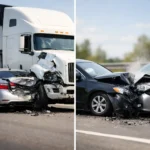

A drunk driving crash can leave you hurt, shaken, and facing questions before you have even made it home from the hospital. The top mistakes after a drunk driving crash often happen in those first hours and days, when an injured person is focused on getting through the immediate crisis. Unfortunately, insurance companies and defense lawyers may later use those mistakes to challenge the value of a claim.
If a drunk driver caused your injuries in Houston or elsewhere in Texas, you do not have to handle the legal and financial fallout alone. Taking the right steps can protect your health, preserve critical evidence, and put you in a stronger position to demand accountability.
1. Waiting Too Long to Get Medical Care
Some injuries are obvious at the scene. Others are not. Adrenaline can mask pain after a violent collision, and symptoms from a concussion, neck injury, back injury, internal bleeding, or soft-tissue damage may not fully appear until hours or days later.
Do not assume you are fine simply because you declined an ambulance or walked away from the crash. Get evaluated promptly and follow the treatment plan your medical provider gives you. Delaying care may endanger your recovery, and it gives an insurer an opening to argue that your injuries were not serious or were caused by something other than the collision.
This does not mean every ache proves a major injury. It means your condition should be evaluated by a medical professional, documented carefully, and taken seriously.
2. Assuming the Criminal Case Will Pay Your Losses
An arrest for DWI may feel like clear proof that the other driver will be held responsible. Criminal charges matter, but a criminal case and a civil injury claim serve different purposes.
The prosecutor is focused on whether the driver violated criminal law. Your civil claim is focused on the harm done to you: medical bills, lost income, future treatment, physical pain, mental anguish, vehicle damage, disfigurement, and other losses recognized under Texas law. A criminal conviction does not automatically put fair compensation in your hands.
Do not wait for the criminal matter to finish before exploring your civil options. Evidence can disappear while the criminal case moves through the system, and civil deadlines still apply. An experienced injury lawyer can evaluate the available insurance coverage and pursue a claim while protecting your interests.
3. Giving the Other Driver’s Insurer a Recorded Statement Too Soon
The at-fault driver’s insurance adjuster may call quickly, sound sympathetic, and ask for a recorded statement. Their job is to limit what the company pays. They may ask questions designed to get a rushed answer about fault, your pain level, prior injuries, or whether you need more treatment.
You are not required to provide a recorded statement to the other driver’s insurer just because they ask. A simple comment such as, “I am still receiving medical care and will have my attorney respond,” can prevent an avoidable problem.
Be truthful when discussing the collision, but do not speculate. If you do not know an answer, say so. Statements made while you are medicated, in pain, or without a full understanding of your injuries can be used against you later.
4. Accepting a Quick Settlement Offer
Fast settlement offers are common after a drunk driving crash, especially when the insurer believes its driver was clearly at fault. The offer may look substantial when bills are arriving and work is impossible. But an early offer rarely accounts for the full cost of a serious injury.
Once you sign a release, you generally give up the right to seek additional money from that insurer for the same crash. That can be devastating if you later need surgery, miss more work than expected, or learn that your injury has permanent effects.
The right value of a claim depends on the facts. A minor collision with limited treatment may resolve differently than a crash involving brain trauma, spinal damage, burns, or the death of a family member. Do not let immediate financial pressure force a permanent decision before you understand your losses.
5. Failing to Preserve Evidence
In drunk driving cases, evidence can establish more than who caused the collision. It can show the severity of the impact, the driver’s impairment, and whether another party may share responsibility.
Save photographs of the vehicles, roadway, skid marks, debris, visible injuries, and your recovery. Keep copies of medical records, bills, prescriptions, repair estimates, towing documents, wage-loss information, and correspondence from insurers. Write down what you remember about the crash before details fade, including statements made by the driver and the names of witnesses.
Do not assume the police report contains everything. Surveillance video from nearby businesses, dash camera footage, 911 calls, body camera recordings, toxicology results, and vehicle data may be time-sensitive. A lawyer can move quickly to seek and preserve evidence before it is erased, overwritten, or lost.
6. Overlooking Possible Dram Shop Liability
The intoxicated driver may not be the only party responsible. Under Texas law, a bar, restaurant, club, or other alcohol provider may face liability in certain circumstances if it served alcohol to an obviously intoxicated person who presented a clear danger to themselves and others.
These claims are fact-specific. Evidence may include receipts, tabs, surveillance video, witness accounts, employee testimony, and records showing what was served and when. Establishments and their insurers often act quickly to protect themselves, so waiting can make a dram shop investigation much harder.
Not every drunk driving crash supports a claim against an alcohol provider. Still, it is a mistake to assume the driver’s auto policy is the only possible source of compensation, particularly when catastrophic injuries exceed available coverage.
7. Forgetting About Your Own Insurance Coverage
Your own policy may provide benefits even when another driver caused the collision. Medical payments coverage, personal injury protection, uninsured or underinsured motorist coverage, and collision coverage may help depending on your policy and the facts of the crash.
Using your own coverage does not mean you are admitting fault. It may provide needed help while the liability claim is pending. However, insurance policies contain notice requirements, exclusions, and deadlines. Before signing broad authorizations or agreeing to a low settlement, review your coverage and get legal guidance about how one claim may affect another.
8. Posting About the Crash on Social Media
Social media posts can be taken out of context. A photograph of you at a family event, a comment that you are “doing better,” or a public check-in can be used by an insurer to argue that your injuries are less severe than claimed.
You do not need to disappear from your life, but avoid posting about the crash, your medical care, the other driver, settlement discussions, or your physical activities. Ask friends and family not to tag you in posts or share updates about your condition. Privacy settings help, but they are not a substitute for caution.
9. Missing the Texas Deadline to Take Legal Action
Texas law generally gives injured people two years from the date of an accident to file a personal injury lawsuit, and wrongful death claims often have the same general deadline. There are exceptions, but relying on an exception is risky.
The practical deadline is often much sooner. Evidence needs to be preserved, witnesses need to be located, and insurers need to be put on notice. If a government vehicle or public entity is involved, special notice rules and much shorter deadlines may apply.
Protect Your Claim Before the Evidence Is Gone
A drunk driving crash is not just another insurance claim. It may involve a criminal investigation, severe injuries, multiple insurance policies, and evidence that will not remain available forever. The Buchanan Law Office, P.C. helps injured Texans pursue accountability without charging upfront legal fees.
Your priority should be healing. Let a qualified plaintiff-side attorney assess the case, deal with insurers, and determine whether the drunk driver, an alcohol provider, or another party should be held responsible. A prompt consultation can protect options that may be much harder to recover later.