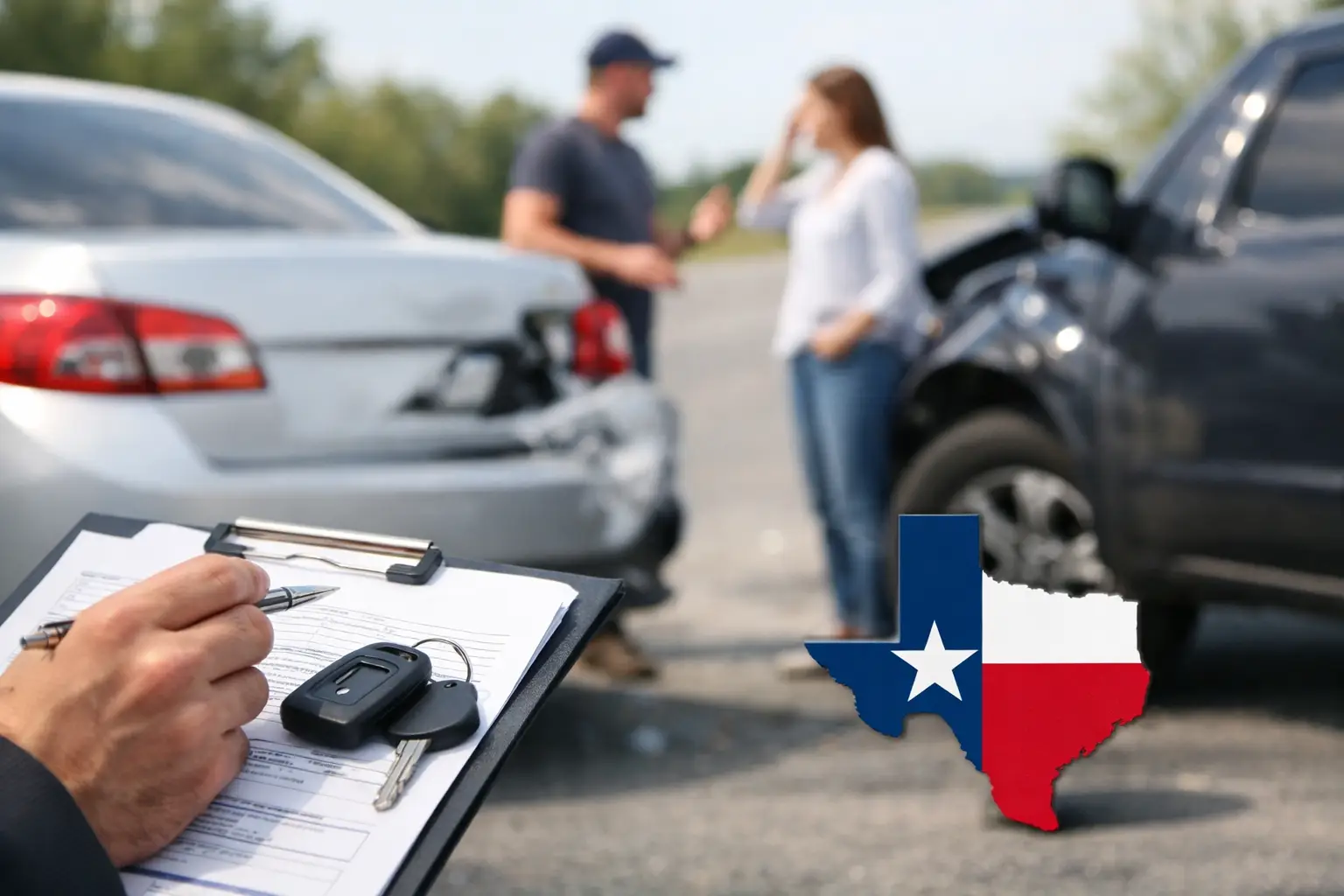

A crash with an uninsured driver can leave you staring at medical bills, car repair estimates, and missed paychecks with no clear source of recovery. That is exactly why an uninsured motorist claim guide matters. In Texas, your own policy may provide coverage when the at-fault driver has no insurance, but getting paid is rarely as simple as filing a form and waiting for a check.
Insurance companies often market uninsured motorist coverage as protection you can count on. When a serious claim is made, the process can turn adversarial fast. Your insurer may question fault, challenge your injuries, dispute treatment, or argue that your damages are worth less than you claim. If you are hurt, you need to treat this as a legal claim from the start, not just a customer service issue.
What uninsured motorist coverage does in Texas
Uninsured motorist coverage, often called UM coverage, is designed to step in when the driver who caused the wreck has no liability insurance. In many cases, it can also apply in a hit-and-run crash if certain reporting and proof requirements are met. Texas insurers must offer this coverage, but drivers can reject it in writing. If you are not sure whether you carry it, your policy declarations page is the first place to look.
UM coverage can apply to bodily injury and, depending on your policy, property damage. Bodily injury coverage may help with medical expenses, lost income, pain and suffering, physical impairment, and other injury-related losses. Property damage coverage may help with vehicle repairs, though deductibles and policy limits matter.
There is also underinsured motorist coverage, or UIM, which applies when the at-fault driver has insurance but not enough to cover the full value of your losses. In real-world injury cases, that distinction matters. A driver may carry the minimum required policy and still leave you with unpaid damages after a hospital stay, surgery, or ongoing treatment.
Uninsured motorist claim guide: what to do after the crash
The first priority is medical care. If you are injured, get evaluated promptly. Delays in treatment do not just affect your health. They also give the insurer room to argue that your injuries were minor or unrelated to the crash.
Next, report the collision to law enforcement and make sure a crash report is created when possible. This is especially important in hit-and-run cases, where independent proof of what happened can make or break a claim. If you are physically able, gather photos of the vehicles, damage, skid marks, road conditions, and visible injuries. Get witness names and contact information.
Then notify your own insurance company. Many policies require prompt notice, and missing that requirement can create unnecessary disputes. But notifying your insurer does not mean giving a recorded statement without thinking it through. If your injuries are significant, or fault is being contested, legal guidance early on can prevent statements that are later used against you.
You should also keep every piece of paper tied to the wreck. Medical records, bills, imaging reports, pharmacy receipts, repair estimates, towing invoices, and proof of lost wages all help establish the value of your claim. A UM case is still a damages case. If you cannot prove the loss, the insurer has little incentive to pay it fairly.
Why these claims become disputes
Many injured drivers assume their own insurer will be easier to deal with than the other driver’s carrier. Sometimes that is true in smaller claims. In serious injury matters, the insurer’s financial interests still come first.
A common dispute is fault. The insurance company may argue that its insured was partly responsible for the crash, which can reduce or defeat recovery depending on the facts. Another common issue is medical causation. If you had a prior back problem, prior surgery, or any gap in treatment, the insurer may claim the wreck only caused a temporary flare-up rather than a new injury.
Value is another major battleground. The adjuster may focus on the amount of the medical bills while minimizing pain, future treatment, loss of earning capacity, or long-term limitations. That approach can be especially harmful in cases involving spinal injuries, traumatic brain injuries, or soft tissue damage that does not show up neatly on an X-ray.
The proof that strengthens a UM claim
Strong uninsured motorist claims are built on documentation, consistency, and timing. Medical records should match the symptoms you report. Your treatment history should make sense. If you missed work, your employer should be able to confirm it. If your injuries affect daily life, that should be reflected not only in your testimony but in the observations of doctors, therapists, family members, or coworkers.
In Texas, proving the other driver was uninsured may also require more than your word. Sometimes that is straightforward because the police report identifies no valid insurance. In other cases, the issue takes investigation. Hit-and-run crashes can be even more difficult because the insurer may demand evidence that physical contact occurred or that the event qualifies under the policy language.
This is where details matter. The right evidence, preserved early, can shut down arguments before they gain traction. The wrong move, or no move at all, can leave a valid claim underpaid or denied.
Uninsured motorist claim guide: mistakes that can cost you money
The biggest mistake is assuming the claim will handle itself. Serious claims need a strategy. If you settle too early, you may sign away rights before the full extent of your injuries is clear.
Another mistake is giving broad medical authorizations. Insurers often request wide access to your past records, then use old complaints to argue your current condition was preexisting. Some medical history is relevant. Some is not. That line should be handled carefully.
Social media can also hurt a case. A photo, comment, or check-in posted out of context can be used to question your injuries. Even if your claim is legitimate, the insurer may use selective snapshots to push down the value.
Waiting too long to speak with a lawyer is another costly error. In a serious wreck, the legal and insurance issues start immediately. Evidence can disappear. Witness memories fade. Policy deadlines and legal deadlines continue to run whether you are ready or not.
How Texas law and policy terms affect your case
Texas law shapes these claims, but so does the actual insurance contract. That is an important distinction. Deadlines, notice requirements, arbitration provisions, offsets, consent-to-settle terms, and policy limits can all affect recovery. Two drivers may both have UM coverage and still face different claim paths based on the policy language.
Timing matters as well. Texas has statutes of limitation that can affect when a lawsuit must be filed, but policy-based deadlines can create earlier pressure points. If a claim is denied or delayed, waiting can make the problem worse.
There is also the practical question of value. Even with clear liability, the claim is limited by the amount of UM or UIM coverage available unless another source of recovery exists. That does not mean you should accept less than the claim is worth. It means the legal analysis needs to be realistic from the beginning.
When to get legal help
If the crash caused more than minor soreness, legal help is usually worth considering right away. That is especially true if you were taken by ambulance, missed work, need specialist care, face surgery, have a permanent injury, or lost a family member. It is also wise to get help if the insurer is delaying, disputing fault, requesting a recorded statement, or making a quick settlement offer.
A lawyer can investigate coverage, preserve evidence, calculate damages, manage insurer communications, and push the claim toward a serious resolution. In high-value cases, that pressure matters. Insurance companies are more careful when they know the injured person has counsel prepared to enforce the policy and, if needed, take the case into litigation.
For injured Texans, especially around Houston where heavy traffic and severe crashes are common, these cases are too important to handle casually. The Buchanan Law Office, P.C. represents injured people in exactly these kinds of disputes and approaches them with the urgency they deserve.
An uninsured driver can create a financial crisis in a matter of seconds, but your recovery should not depend on the other driver’s irresponsibility. If your own insurer is standing between you and the benefits you paid for, treat that claim seriously and get help before the pressure to settle costs you more than the wreck already has.