
One minute you expect a routine insurance exchange. The next, you learn the other driver has no coverage at all – or not enough to pay for the damage they caused. That is when knowing how to handle uninsured driver accident claims matters most, because one wrong move can give an insurance company room to delay, deny, or underpay what you are owed.
In Texas, drivers are legally required to carry minimum liability coverage. Even so, many people on the road do not. Some let policies lapse. Some carry fake cards. Others have limits so low they barely begin to cover a serious injury crash. If you were hit by one of them, the problem is no longer just the collision. It is how you protect your own medical care, income, vehicle, and legal rights from that point forward.
What to do first after an uninsured driver accident
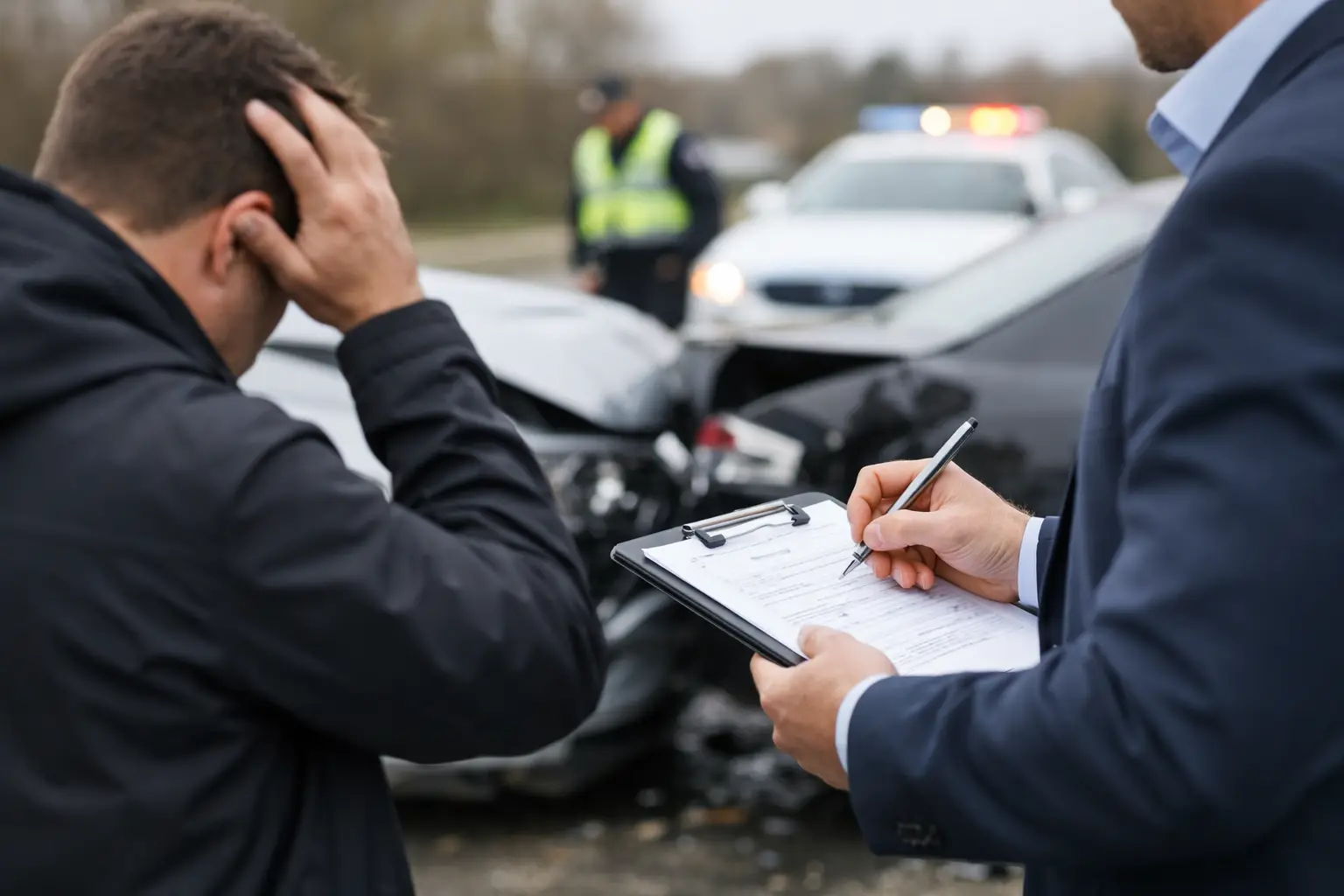
Your first priority is safety and medical care. Call 911, request law enforcement, and accept medical evaluation if there is any chance you were hurt. A crash report can become a key piece of evidence later, especially if the at-fault driver denies responsibility or lies about insurance.
If you are physically able, document the scene. Take photos of the vehicles, license plates, roadway, skid marks, visible injuries, and anything else that shows how the crash happened. Get contact information for witnesses. If the other driver says they do not have insurance, do not argue. Do not threaten them. Just note what was said and let the officer investigate.
You should also be careful about what you say. Keep your comments factual. Do not apologize, speculate, or minimize your injuries. A statement as simple as “I am probably fine” can come back later when pain worsens and treatment becomes necessary.
How to handle uninsured driver accident cases without hurting your claim
The biggest mistake many injured drivers make is assuming their own insurer will automatically step in and do the right thing. That is not always how it works. Even when you are making a claim under your own uninsured motorist or underinsured motorist coverage, the insurance company is still focused on paying as little as possible.
That means you need to treat the case seriously from the start. Report the crash promptly, but be cautious with recorded statements. Provide basic facts, then consider speaking with a lawyer before giving detailed narratives, signing broad medical authorizations, or accepting a quick payment. Early settlement offers often come before the full extent of your injuries, treatment needs, and lost income are known.
Preserve every record tied to the crash. Save bills, prescription receipts, towing invoices, repair estimates, rental car costs, wage loss documents, and medical records. If your injuries affect your daily life, keep a simple journal showing pain levels, missed work, appointments, and activity restrictions. These details can help prove damages that an adjuster may otherwise try to discount.
Understanding uninsured and underinsured motorist coverage in Texas
Texas insurance policies often include uninsured and underinsured motorist coverage unless the policyholder rejects it in writing. This coverage can apply when the at-fault driver has no insurance, too little insurance, or leaves the scene in a hit-and-run under certain circumstances.
That coverage may help pay for medical expenses, lost wages, pain and suffering, and vehicle damage, depending on the terms of the policy and the type of claim. But coverage disputes are common. Insurers may challenge fault, question whether the other driver was actually uninsured, argue about the seriousness of injuries, or claim treatment was excessive.
This is where the details matter. If you do not know whether your policy includes uninsured motorist protection, get a copy of the declarations page and full policy. Do not rely on verbal descriptions alone. The language in the policy controls the claim, and deadlines or notice requirements may apply.
Why fault still matters in uninsured driver accident claims
Some people assume that if the other driver had no insurance, fault is obvious and payment should follow. In reality, fault is often still contested. Texas uses a modified comparative fault system. If you are found partly responsible, your compensation can be reduced. If you are found more than 50 percent at fault, you may be barred from recovery.
That is why evidence matters even more in uninsured driver accident cases. The police report, witness statements, crash scene photos, vehicle damage patterns, surveillance footage, and medical records can all help establish what happened and how badly you were hurt. The absence of insurance on the other side does not remove the burden of proving liability and damages.
In serious crashes, additional investigation may be necessary. Cell phone records, black box data, roadway evidence, or accident reconstruction can make the difference between a disputed claim and a strong one. A case with significant injuries should be prepared like it may go to litigation, not handled like a paperwork exercise.
When the at-fault driver has no money
An uninsured driver may be personally liable for the harm they caused. On paper, that sounds straightforward. In practice, it depends. Many uninsured drivers do not have enough assets or income to satisfy a judgment. Suing them may still be appropriate in some cases, but it is not always the most effective path to actual recovery.
That is one reason uninsured motorist coverage is so important. It may provide a realistic source of compensation when the at-fault driver cannot. There can also be other avenues depending on the facts. If the driver was working at the time of the crash, a company may be involved. If a vehicle owner negligently entrusted the car to an unsafe driver, that could matter. If a bar overserved an intoxicated driver, another claim may exist. It depends on who contributed to the loss and what evidence supports it.
Common insurance tactics after an uninsured driver accident
Insurance companies know these cases create financial pressure. Medical bills arrive fast. Paychecks stop. Transportation becomes a problem. That is exactly why adjusters may move quickly to control the claim.
They may ask for a recorded statement before you understand your injuries. They may request broad access to your medical history to search for preexisting conditions. They may argue that low-impact property damage means you could not be seriously hurt. They may delay while hoping you become desperate enough to settle cheap.
You do not have to accept that. A serious injury claim should be valued based on evidence, not convenience for the insurer. If the crash caused ongoing treatment, missed work, physical limitations, or lasting pain, those losses deserve proper attention.
When to call a lawyer
If your crash caused more than minor vehicle damage, calling a lawyer early is usually the smart move. The need becomes even more urgent if you have significant injuries, surgery, extended treatment, time away from work, a disputed police report, or pushback from your insurance company.
An attorney can identify all available coverage, preserve evidence, deal with adjusters, evaluate the full value of your damages, and push the case toward settlement or litigation when necessary. This is not just about filing forms. It is about making sure you are not left paying for someone else’s misconduct.
For injured Texans, especially in high-damage collisions around Houston, early legal help can prevent costly mistakes. Firms like The Buchanan Law Office, P.C. approach these claims from a plaintiff-side, trial-ready position, which matters when an insurer realizes it may have to defend its position in court.
Practical steps that protect your case now
Keep your treatment consistent. Gaps in care give insurers an argument that you were not really hurt or that something else caused your condition. Follow medical advice, attend appointments, and tell your providers about all symptoms.
Do not post about the crash on social media. A photo or comment taken out of context can be used against you. Also, do not rush to settle property damage and injury claims together without understanding the release language. Sometimes people sign away injury rights while trying to get their car repaired.
If you are wondering how to handle uninsured driver accident problems while bills pile up, the answer is usually not to wait and hope the insurer becomes reasonable. It is to document everything, protect your statements, understand your policy, and get legal advice before the claim is boxed into a low value.
A crash with an uninsured driver can leave you feeling trapped, but you are not powerless. The right steps taken early can turn a chaotic situation into a claim built on evidence, leverage, and a clear demand for accountability. If you are hurt, focus on treatment and protecting your rights while someone experienced handles the fight.