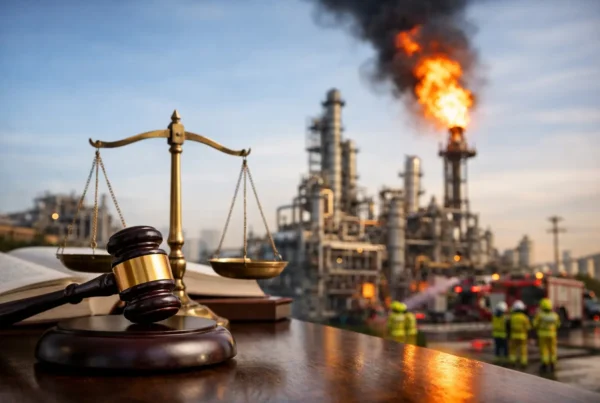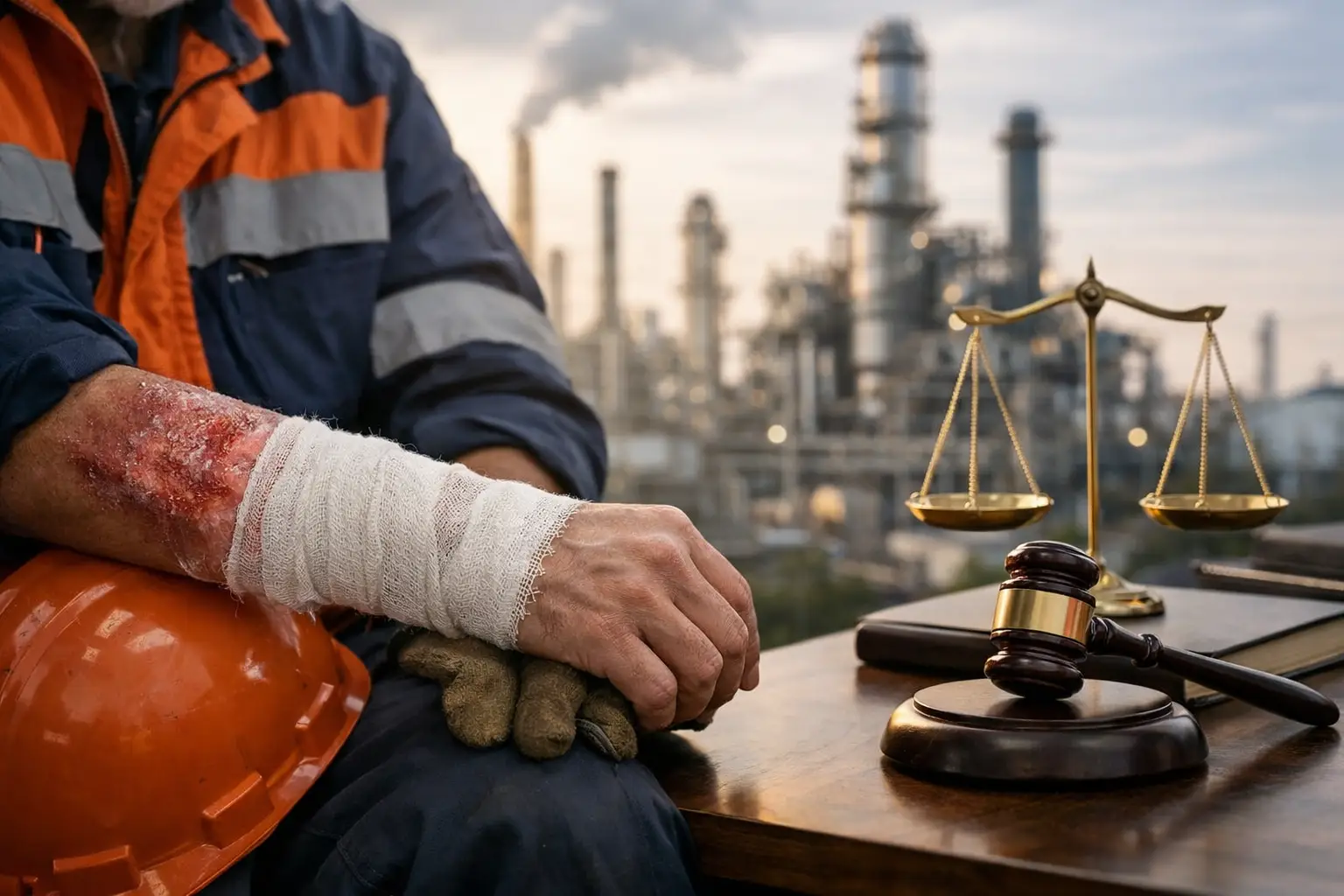

A burn suffered at a refinery, chemical plant, manufacturing facility, oilfield, or construction site can change a worker’s life in minutes. Industrial burn injury compensation is not simply about paying an emergency room bill. It may be the financial support an injured worker and their family need for surgeries, lost income, long-term treatment, and the personal losses that follow a serious industrial accident.
Texas workers face real risks around pressurized lines, flammable chemicals, electrical systems, hot surfaces, confined spaces, and heavy equipment. When a company, contractor, equipment manufacturer, or another party cuts corners, the people on the job often bear the consequences. You do not have to accept a quick explanation, a rushed settlement, or pressure to return to work before you are medically ready.
Why Industrial Burns Create High-Stakes Claims
Industrial burns are often more complex than other workplace injuries. A worker may suffer thermal burns from fire or steam, chemical burns from acids or caustic materials, electrical burns, or inhalation injuries caused by smoke and toxic fumes. The visible injury is only part of the problem.
Serious burns can require skin grafts, reconstructive surgery, infection treatment, pain management, physical therapy, and psychological care. A person may also develop breathing problems, nerve damage, reduced mobility, disfiguring scars, or post-traumatic stress. Some workers cannot return to the same trade, especially when their job requires climbing, lifting, exposure to heat, or use of protective gear over sensitive scar tissue.
That is why the value of a claim cannot be measured by the first hospital bill alone. A fair recovery must account for the full impact of the injury, including what the injured person may need years from now.
Who May Be Responsible for an Industrial Burn?
After a plant fire, flash fire, chemical release, or electrical incident, several parties may point fingers at each other. The employer may blame the worker. A general contractor may blame a subcontractor. A manufacturer may claim its equipment was used incorrectly. Those disputes make a prompt investigation critical.
Potentially responsible parties can include a negligent contractor, a property owner, a maintenance company, a staffing agency, an equipment manufacturer, or a supplier that provided a dangerous chemical or defective safety product. In some cases, a company failed to follow established lockout/tagout procedures, maintain equipment, provide proper training, identify a hazardous condition, or require appropriate personal protective equipment.
The answer depends on the facts. An accident caused by a defective valve is different from one caused by an improperly managed hot-work operation. But in either situation, the injured worker deserves a serious review of what happened and who had a duty to prevent it.
Workers’ Compensation Is Not Always the Only Option
Many injured workers assume a workplace injury means they can only pursue workers’ compensation benefits. That is not always true in Texas.
If an employer carries workers’ compensation coverage, benefits may be available for medical treatment and a portion of lost wages. However, workers’ compensation usually does not provide the full range of damages available in a personal injury lawsuit, such as pain and suffering or full lost earning capacity.
Texas also allows employers to opt out of the workers’ compensation system. These employers are often called nonsubscribers. When a nonsubscriber employer’s negligence caused the injury, an injured employee may have the right to bring a direct claim against that employer. Texas law can limit certain defenses that nonsubscriber employers might otherwise try to use against an injured worker.
Even if workers’ compensation applies, a separate third-party claim may still be possible. For example, a worker may receive benefits through an employer while bringing a claim against a negligent contractor, manufacturer, driver, or premises owner. These claims must be handled carefully because insurance carriers may assert reimbursement rights from any recovery.
What Industrial Burn Injury Compensation May Cover
The damages available depend on the claim, the evidence, and the severity of the injury. In a successful third-party or nonsubscriber case, compensation may include medical expenses already incurred and the expected cost of future care. This can include hospitalization, burn-unit treatment, surgeries, medication, rehabilitation, counseling, prosthetics, and treatment for complications.
Lost income also matters. A worker may lose pay while recovering, miss overtime opportunities, or become unable to perform the same high-paying industrial work. A claim may seek lost wages and loss of future earning capacity when the injury limits the person’s ability to earn a living over time.
Texas law may also allow recovery for physical pain, mental anguish, physical impairment, and disfigurement. These losses are real. A scar, limited hand function, chronic pain, or fear around industrial settings can affect every part of a person’s life, not just their job.
When a burn injury causes a death, surviving family members may have a wrongful death claim. The family may seek damages for the loss of financial support, companionship, and other harm recognized under Texas law. A survival claim may also address damages suffered by the person before death.
Evidence Can Disappear Quickly After a Plant Accident
Industrial companies and their insurers often begin their own investigation immediately. Equipment may be repaired, a work area may be cleaned, surveillance footage may be overwritten, and witnesses may be asked for statements before they understand what is at stake.
An injured worker should focus first on medical care, but should also protect their claim as soon as possible. Keep copies of discharge papers, photographs of injuries, pay records, communications from the employer or insurer, and the names of people who saw the incident. Do not sign a broad release or give a recorded statement to an insurance adjuster without understanding how it could affect your rights.
A thorough legal investigation may involve reviewing incident reports, maintenance logs, training records, safety policies, contractor agreements, photographs, video, inspection records, and the condition of the equipment involved. In a serious case, experts may be needed to analyze fire origin, chemical exposure, electrical systems, workplace safety practices, or future medical needs.
Do Not Let a Fast Settlement Set the Value of Your Case
After a severe burn, an insurance company may offer money before the injured person knows whether they will need further surgery or whether they can return to work. That offer may sound helpful when bills are arriving and paychecks have stopped. It can also be far less than the true value of the claim.
Once a settlement is signed, it generally ends the right to seek additional payment from that party. There is no practical way to go back for more simply because complications developed later. Serious burn claims require patience, medical documentation, and a clear understanding of the worker’s future needs.
There are also deadlines. Texas law places time limits on many injury and wrongful death claims, and notice requirements can apply in certain cases. Waiting can make it harder to secure evidence and may put a valid claim at risk.
How a Texas Industrial Injury Lawyer Can Help
A lawyer handling an industrial burn case should be prepared to do more than submit paperwork. The job is to identify every available source of recovery, preserve evidence, calculate full damages, confront insurance tactics, and prepare the case for trial if the responsible parties refuse to act reasonably.
At The Buchanan Law Office, P.C., we represent injured Texans and families facing serious consequences after industrial accidents. We understand that a catastrophic burn does not pause the mortgage, medical expenses, or the demands of caring for a family. Our firm works on a contingency-fee basis, so clients do not pay attorney’s fees unless compensation is recovered.
If you or a family member suffered burns in a Texas industrial accident, get legal advice before accepting an insurer’s version of events or a settlement offer. The right action taken early can protect the evidence, the claim, and your family’s ability to move forward.