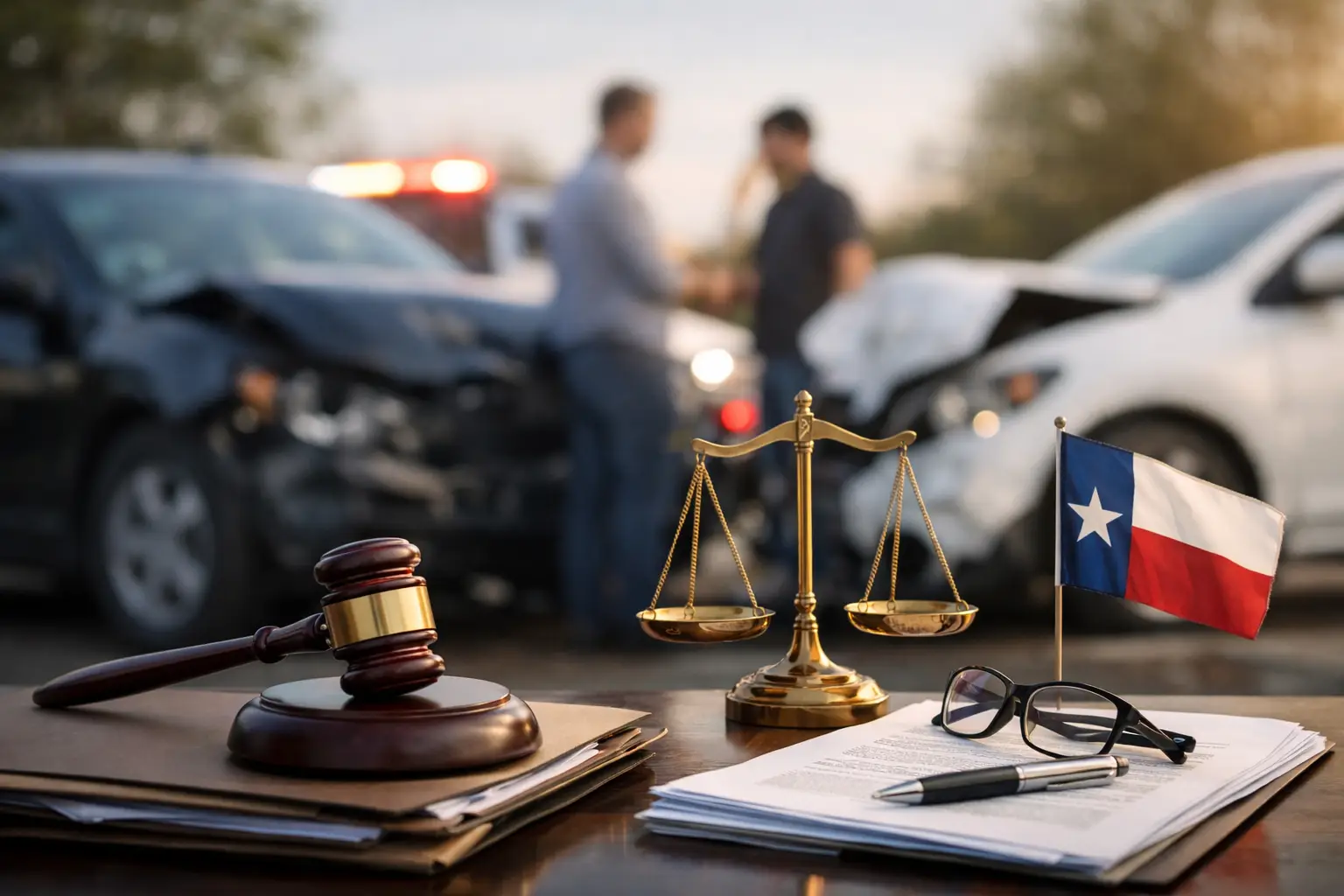

A drunk driving crash can change a family’s life in seconds. You may be facing emergency treatment, surgeries, lost income, a damaged vehicle, and the anger of knowing the collision was preventable. Knowing how to sue a drunk driver starts with understanding that the criminal case is not the same as your civil claim. Even if the driver is arrested for DWI, you may need to take separate legal action to recover the full cost of what happened.
In Texas, an injured person can bring a personal injury claim against an intoxicated driver whose conduct caused a crash. If a loved one was killed, certain family members may have the right to pursue a wrongful death claim. The steps you take in the first days and weeks can affect the evidence available, the insurance coverage identified, and the strength of your case.
Get Medical Care and Protect the Record
Your health comes first. Seek medical evaluation promptly, even if you initially believe your injuries are minor. Adrenaline can conceal pain after a violent collision, and some injuries – including brain injuries, internal injuries, and spinal damage – may not be immediately obvious.
Medical records also create an essential connection between the crash and your injuries. Follow your treating provider’s recommendations, attend appointments, and keep copies of bills, discharge paperwork, prescriptions, and work restrictions. An insurance company may argue that your injuries were unrelated, preexisting, or made worse because you delayed treatment. Clear medical documentation helps answer those arguments.
Preserve anything connected to the crash. Save photographs of vehicle damage, injuries, the roadway, skid marks, debris, and the other driver’s vehicle if possible. Do not repair, sell, or dispose of your vehicle before it has been properly documented or inspected. In serious cases, the vehicle itself may contain critical evidence about the force of impact, seat belt use, airbag deployment, and crash dynamics.
How to Sue a Drunk Driver in Texas
A civil claim generally begins with an investigation and a demand to the at-fault driver’s insurance carrier. Your lawyer gathers evidence of fault, documents damages, identifies available insurance policies, and evaluates whether parties other than the drunk driver may share liability. If the insurer refuses to make a fair offer, a lawsuit may be filed in the appropriate Texas court.
To recover compensation, you must show that the driver’s intoxication or other negligent conduct caused the collision and your losses. This may sound straightforward, but insurers often dispute the severity of injuries, the amount of medical care needed, lost earning capacity, or whether the victim was partly at fault.
A DWI arrest, field sobriety testing, breath or blood testing, officer observations, dash camera footage, body camera footage, and witness statements can all be powerful evidence. A criminal conviction can help, but you do not have to wait for the criminal case to end before protecting your civil claim. Criminal prosecutors pursue punishment on behalf of the state. A personal injury lawsuit seeks compensation for the person and family harmed by the driver’s choices.
The drunk driver’s insurance company is not on your side. Adjusters may call quickly, request a recorded statement, or offer money before the full extent of your injuries is known. You are not required to give a recorded statement to the other driver’s insurer or accept an early settlement. Once you settle, you generally cannot return later and demand more money when medical complications arise.
Determine Who Else May Be Responsible
The intoxicated driver may not be the only party with financial responsibility. A thorough investigation should examine whether the driver was working at the time of the crash, driving a company vehicle, or operating a commercial vehicle. An employer can sometimes be liable for its employee’s conduct, depending on the facts and the scope of employment.
Texas law also allows certain claims against bars, restaurants, and other alcohol providers under the Texas Dram Shop Act. These cases are fact-specific. In general, an alcohol provider may be liable if it served alcohol to an adult who was obviously intoxicated to the extent that he or she presented a clear danger to self and others, and that intoxication caused the injuries.
Dram shop claims require fast action. Surveillance video can be recorded over, receipts can disappear, and witnesses’ memories fade. Evidence may include transaction records, staff testimony, security video, social media posts, and testimony from people who saw the driver before getting behind the wheel. A bar is not automatically liable simply because a driver drank there. The available proof must satisfy the legal standard.
Other possible sources of recovery may include uninsured or underinsured motorist coverage on your own policy, a household member’s policy, or policies covering the vehicle involved. Coverage questions can be complicated, particularly when multiple vehicles, commercial policies, exclusions, or high medical bills are involved. Do not assume there is only one insurance policy or that the policy limit offered by an insurer ends the inquiry.
What Compensation Can a Victim Seek?
Texas law may allow an injured person to seek both economic and noneconomic damages. Economic damages can include past and future medical expenses, rehabilitation, lost wages, reduced earning capacity, property damage, and necessary household assistance. Noneconomic damages address the human harm that bills do not fully capture, including physical pain, mental anguish, physical impairment, and disfigurement.
When a drunk driving crash causes a death, eligible family members may seek damages for their own losses, such as the lost relationship, lost financial support, and mental anguish caused by the death. The estate may also have a survival claim for damages the deceased person could have pursued had they lived.
In some cases, exemplary damages may be available. These damages are not automatic, and Texas law sets a high evidentiary standard. But evidence of extreme misconduct, including highly dangerous intoxicated driving under certain circumstances, can support a claim that the case warrants punishment and deterrence in addition to compensation.
The value of a claim depends on the evidence, the nature and permanence of the injuries, medical needs, insurance coverage, lost income, and the parties involved. Be cautious of anyone who promises a specific dollar amount before investigating the case.
Do Not Miss the Filing Deadline
Texas generally gives injured people two years from the date of the crash to file a personal injury lawsuit. Wrongful death claims also generally have a two-year deadline. Important exceptions may apply, and claims involving government entities can require much earlier notice. Waiting until the deadline is close can make a case harder to prove because evidence and witnesses may already be gone.
There is another reason not to wait: a lawyer may need to send preservation letters immediately. These notices can demand that businesses, drivers, insurers, and other parties preserve video, electronic data, phone records, vehicle data, and other evidence relevant to the collision. Without prompt action, valuable proof can disappear through routine deletion or repair.
What You Should Avoid After the Crash
Be careful with social media. Posts, photographs, comments, and location data can be taken out of context by an insurance company. It is usually wise not to discuss the crash, your injuries, or the claim online while the case is pending.
Do not sign broad medical authorizations or release forms without understanding what they permit. Insurers may seek years of unrelated medical records to search for information they can use to minimize your claim. Also avoid minimizing your pain or guessing about fault when speaking with an adjuster. Let the evidence and your medical providers establish the facts.
If you can, keep a simple journal of your symptoms and the ways the injuries affect daily life. Record missed work, sleep problems, mobility limitations, appointments, and activities you can no longer do. These details can help show the real impact of a serious crash beyond the initial emergency room bill.
A drunk driver made a decision that put others at risk. You should not be left to carry the financial burden alone. The Buchanan Law Office, P.C. can evaluate a Texas drunk driving crash claim, take over communication with insurers, and pursue accountability from every responsible party. Get legal help early, while the evidence is still available and your right to recover can be protected.