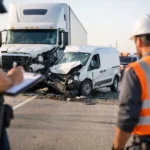

A driver runs a red light, slams into your car, and then you learn the worst part after the crash – they have no insurance, or not enough to cover what this wreck really cost you. That is exactly when people start asking, when does uninsured motorist coverage apply, and the answer matters more than most drivers realize.
In Texas, uninsured and underinsured motorist coverage can be one of the most valuable parts of your auto policy. It is designed to protect you when the at-fault driver cannot pay for the harm they caused. But insurance companies do not always make the process easy, and they do not automatically agree with your view of what the claim is worth.
When does uninsured motorist coverage apply in Texas?
Uninsured motorist coverage generally applies when you are injured or suffer vehicle damage because of a driver who has no liability insurance. In Texas, it can also apply in a hit-and-run case if the facts meet policy and legal requirements. Underinsured motorist coverage applies when the at-fault driver has insurance, but not enough to fully cover your losses.
That sounds simple, but real cases usually turn on details. The main question is not just whether the other driver lacked coverage. The real question is whether your policy covers this type of event, whether the other driver was legally at fault, and whether your damages exceed what is otherwise available.
For many injured people, uninsured motorist coverage comes into play after serious car wrecks, trucking collisions, drunk driving crashes, and other high-impact accidents where medical bills, lost income, and pain and suffering quickly outgrow the at-fault driver’s policy limits.
Common situations where uninsured motorist coverage applies
The most obvious case is a crash caused by a driver with no insurance at all. If that driver rear-ends you, runs a stop sign, or causes a head-on collision, your uninsured motorist benefits may step in to cover bodily injury and, depending on your policy, property damage.
Another common situation is a hit-and-run. If a driver strikes your vehicle and flees, uninsured motorist coverage may apply, but these claims often get disputed. The insurer may question whether there was actual contact, whether another vehicle was involved, or whether the facts support a hit-and-run claim under the policy. Early investigation matters.
Underinsured claims are also common. A driver may carry the minimum required liability coverage, but that does not mean it is enough. If you suffer a back injury, require surgery, miss months of work, or face long-term impairment, minimum limits can disappear fast. Once the at-fault driver’s policy is exhausted, your underinsured motorist coverage may cover the remaining losses up to your own policy limits.
This coverage can also protect you when you are a passenger, not just when you are driving. It may apply if you were riding in a covered vehicle or, in some cases, if you were injured as a pedestrian or bicyclist by an uninsured driver. The exact answer depends on the wording of the policy and the facts of the collision.
What uninsured motorist coverage usually pays for
In a bodily injury claim, uninsured or underinsured motorist coverage may pay for medical expenses, lost wages, loss of earning capacity, pain and suffering, physical impairment, and other damages recognized under Texas law. In a property damage claim, it may pay for repairs to your vehicle or the fair market value if the vehicle is totaled.
That does not mean the insurer will voluntarily offer a fair amount. Your own insurance company may still challenge medical treatment, argue that your injuries were preexisting, or claim your condition is not as serious as you say. Many people are surprised to learn that filing against their own policy does not turn the process into a friendly one.
When uninsured motorist coverage may not apply
Coverage disputes often happen because drivers assume every uninsured-driver accident is automatically covered. That is not always true.
For example, there may be no coverage if the vehicle involved is excluded under the policy, if the person making the claim is not an insured under the contract, or if the crash falls outside the policy period. Some claims fail because the insured did not give prompt notice, did not cooperate with the insurer’s investigation, or settled with the at-fault driver without following policy requirements.
Hit-and-run cases can be especially difficult. If there is no independent evidence, no clear vehicle contact, or conflicting statements about what happened, the insurer may deny the claim. These cases are fact-sensitive, and a weak presentation early on can make recovery harder later.
There is also an important difference between uninsured and underinsured claims. In an underinsured claim, you generally must establish not only that the other driver was at fault, but also that your damages exceed the amount available from that driver’s liability insurer. If your losses do not go beyond those limits, there may be no underinsured motorist payout.
How fault affects your claim
Uninsured motorist coverage is not automatic first-party medical coverage. You still have to prove the other driver caused the crash. If fault is disputed, your insurer may defend the case the same way the at-fault driver’s insurance company would.
That means evidence matters. Police reports, witness statements, photographs, vehicle damage, black box data, medical records, and prompt documentation of your symptoms can all affect the outcome. The more serious the injuries, the more likely the insurer is to fight hard over liability and damages.
Texas also follows proportionate responsibility rules. If the insurance company argues that you were partly at fault, that can reduce or defeat recovery depending on the percentage assigned. So even when the other driver had no insurance, the legal fight often centers on who caused the crash and how badly you were hurt.
Why these claims are often harder than people expect
Many injured drivers believe uninsured motorist coverage should be straightforward because they paid premiums for it. But insurance carriers still protect their bottom line. They may delay, demand recorded statements, send broad medical record requests, or pressure you into settling before the full extent of your injuries is known.
Underinsured claims add another layer. Before your own carrier owes money, there is often a process involving the at-fault driver’s insurer, policy-limit issues, and proof that your damages justify additional compensation. If the crash involved major injuries, future treatment, or time away from work, valuation becomes a serious legal issue, not just an accounting exercise.
That is why these claims should be handled with the same level of care as any other serious injury case. If your losses are substantial, you should treat the uninsured motorist claim as a contested legal matter from the start.
When to talk to a lawyer about uninsured motorist coverage
If you were seriously injured, if the insurer denied the claim, if fault is disputed, or if the settlement offer does not come close to covering your losses, get legal help early. Waiting too long can hurt the case, especially when witness memories fade, vehicles are repaired, or records become harder to gather.
A lawyer can review the policy, identify available coverage, preserve evidence, calculate damages, and deal directly with the insurance company. In some cases, counsel may also uncover other sources of recovery, such as claims against an employer, vehicle owner, bar or restaurant in a drunk driving case, or another negligent party tied to the collision.
For Texas drivers dealing with major medical bills, missed paychecks, and pressure from insurers, the issue is bigger than a policy question. It is about making sure the financial burden does not land on the person who was hit. Firms like The Buchanan Law Office, P.C. approach these cases from that perspective – protecting the injured person and pushing for the full compensation the facts support.
Practical steps after a crash with an uninsured driver
Get medical treatment right away and follow through with care. Report the crash to law enforcement and your insurer promptly. Take photos, save repair estimates, keep medical bills and wage-loss records, and avoid guessing about your injuries before you know how serious they are.
Just as important, be careful with insurance communications. A quick statement given too soon can be used later to minimize your claim. If the accident caused significant injuries or financial loss, have the case reviewed before agreeing to a recorded statement or signing off on a settlement.
The right time to ask when does uninsured motorist coverage apply is not months after a denial letter arrives. It is as soon as you know the other driver may not have enough insurance to pay for the damage they caused. When your health, income, and future are on the line, protecting your claim early can make all the difference.